LED Headlights: How They Work, Types & Benefits
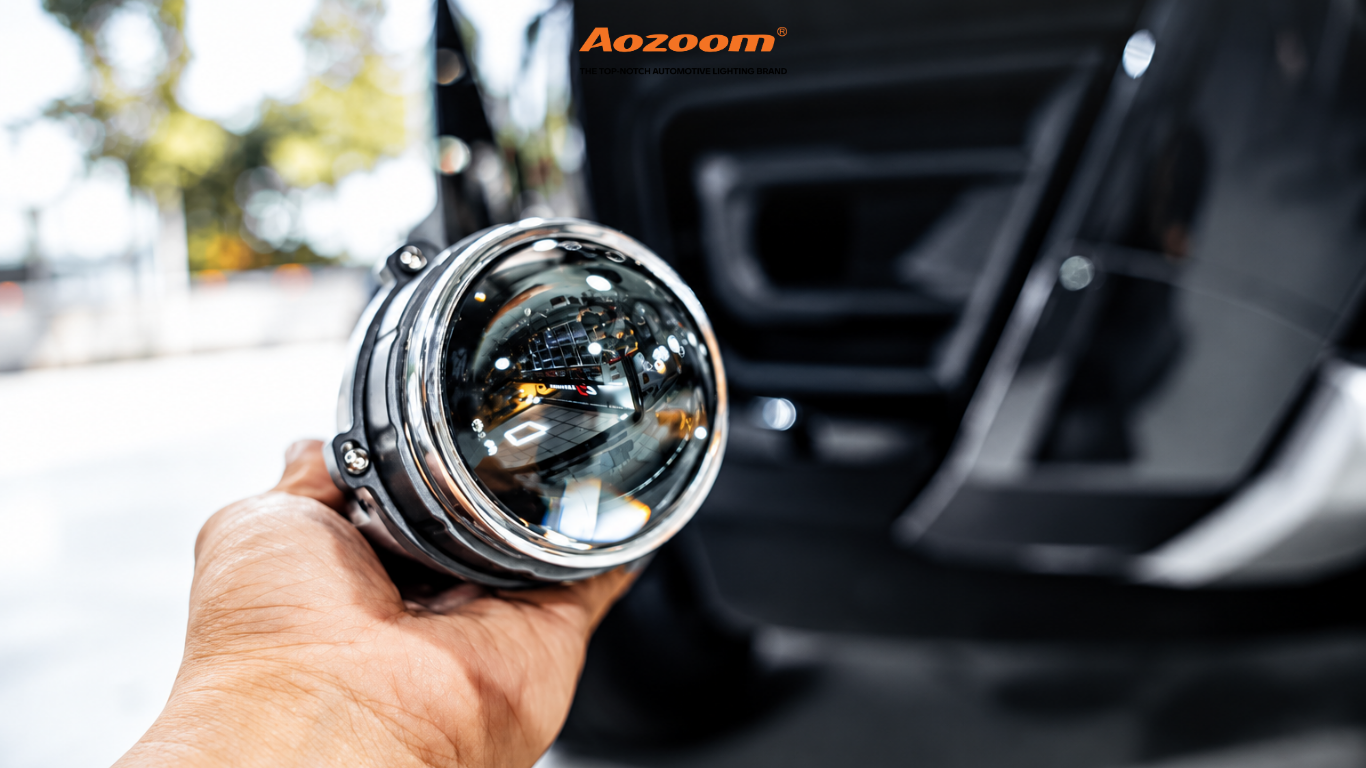
LED headlights have become an important part of modern automotive lighting, offering energy-efficient illumination, flexible optical designs, and the potential for long-lasting performance. From LED replacement bulbs to advanced projector and Matrix LED systems, this technology is used in a wide range of vehicles and lighting applications.
However, not all LED headlights deliver the same results. Their performance depends on more than the LED chips themselves. Optical design, beam distribution, heat management, and vehicle compatibility all influence how effectively light reaches the road.
Understanding these factors can help drivers evaluate their current lighting systems and make informed decisions about potential upgrades. Explore LED headlight technology with AOZOOM to discover how it works, the different types available, and what really matters when choosing the right lighting solution.
What Are LED Headlights and How Do They Work?
LED headlights are automotive lighting systems that use Light-Emitting Diodes (LEDs) to generate illumination for the road ahead. Unlike traditional Halogen bulbs, which produce light by heating a filament, LEDs use semiconductor technology to convert electrical energy into visible light.
This process allows LEDs to produce light efficiently and respond almost instantly when powered on.
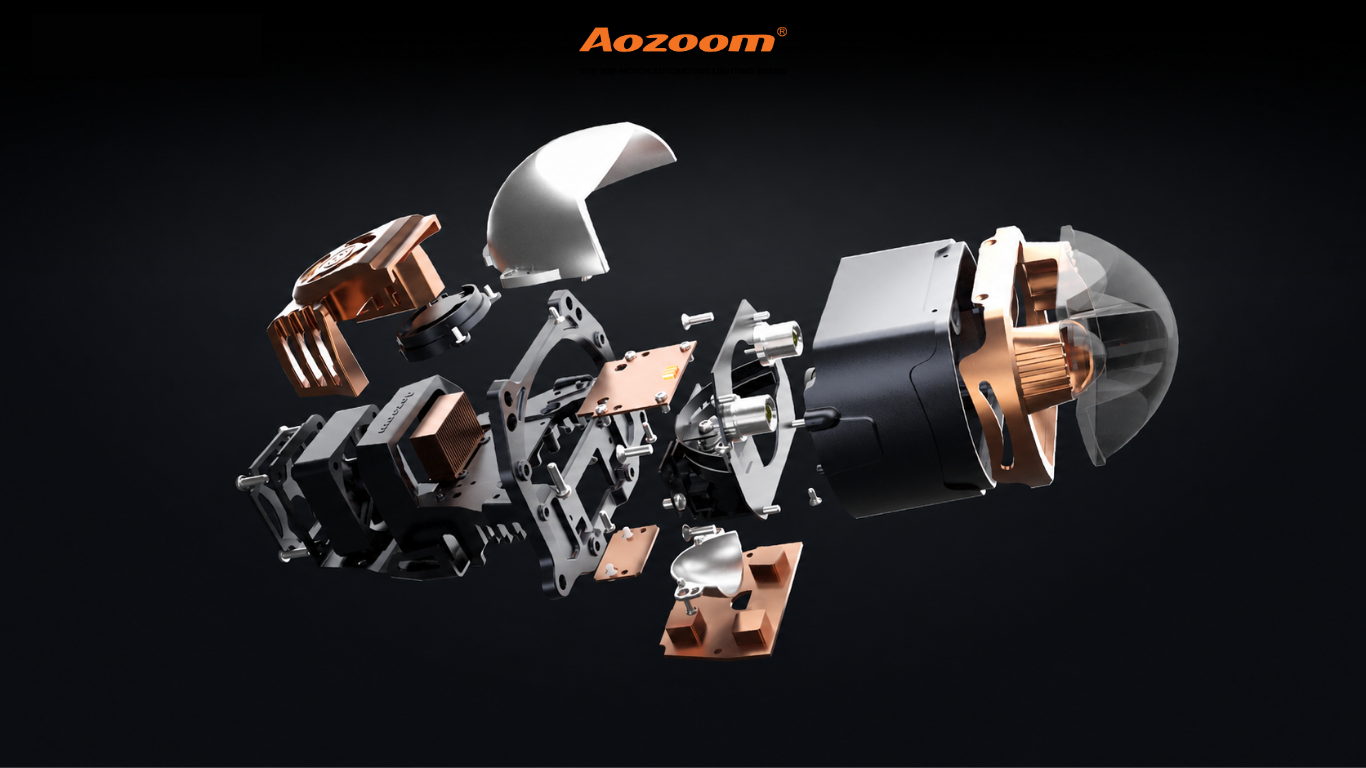
Modern LED headlights combine the light source with optical components, electronic controls, and thermal management systems. Together, these elements determine how the light is generated, distributed, and maintained during operation.
How LED Headlight Technology Works
LED technology operates through a process known as electroluminescence.
An LED contains semiconductor materials that form a junction between two regions with different electrical properties. When electrical current passes through the junction in the correct direction, electrons and holes recombine, releasing energy in the form of photons.
These photons produce light.
In many automotive white LEDs, a blue-emitting LED works with a phosphor conversion material to generate the white illumination used in headlights.
Unlike filament-based lighting, this process does not require a tungsten wire to reach extremely high temperatures before producing light.
As a result, LED headlights offer several useful characteristics, including near-instant illumination, efficient light generation, and considerable flexibility in how the light source can be integrated into an optical system.
However, the semiconductor still generates heat during operation. That heat must be managed to maintain performance and protect the components.
Furthermore, the light produced by the LED does not automatically form a suitable headlight beam. It must be collected and directed by an optical system designed for automotive use.
This relationship between the light source and the optics is central to understanding LED headlight performance.
Main Components of LED Headlights
A complete LED headlight system generally consists of four essential elements.
- LED Chips
LED chips are the light-generating components of the system. Their characteristics influence light output, electrical efficiency, emission geometry, and thermal requirements.
However, a high-performance LED chip does not necessarily guarantee an effective headlight beam. The surrounding components must be designed to use the emitted light correctly.
- Optical System
The optical system collects and distributes light from the LED source.
Depending on the headlight design, it may use reflectors, projector lenses, shields, or specialized optical elements.
These components determine the shape of the beam, the illuminated areas of the road, and how effectively unwanted light is controlled.
- LED Driver
The LED driver regulates the electrical power supplied to the LED chips.
It helps maintain appropriate operating conditions despite variations in the vehicle's electrical system.
Some advanced systems also use electronic controls to adjust brightness, monitor temperature, or operate different lighting functions.
- Thermal Management System
LED chips generate heat during operation, and excessive temperatures can reduce their efficiency and operating life.
To manage this heat, LED headlight systems may incorporate aluminum heat sinks, thermal conductors, cooling fans, or temperature-monitoring electronics.
The required cooling approach depends on the design and operating conditions of the system.
These components work together to provide controlled illumination. A reliable LED headlight depends on the integration of its light source, optics, electronics, and thermal management - not simply the specifications of its LED chips.
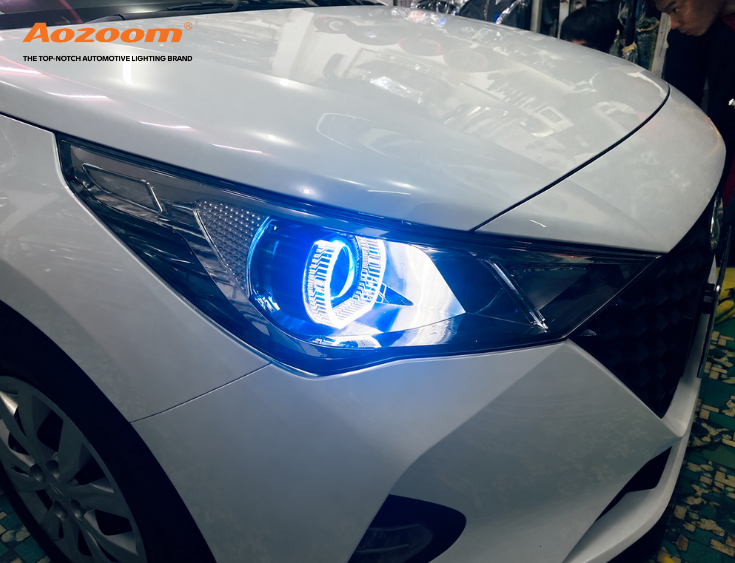
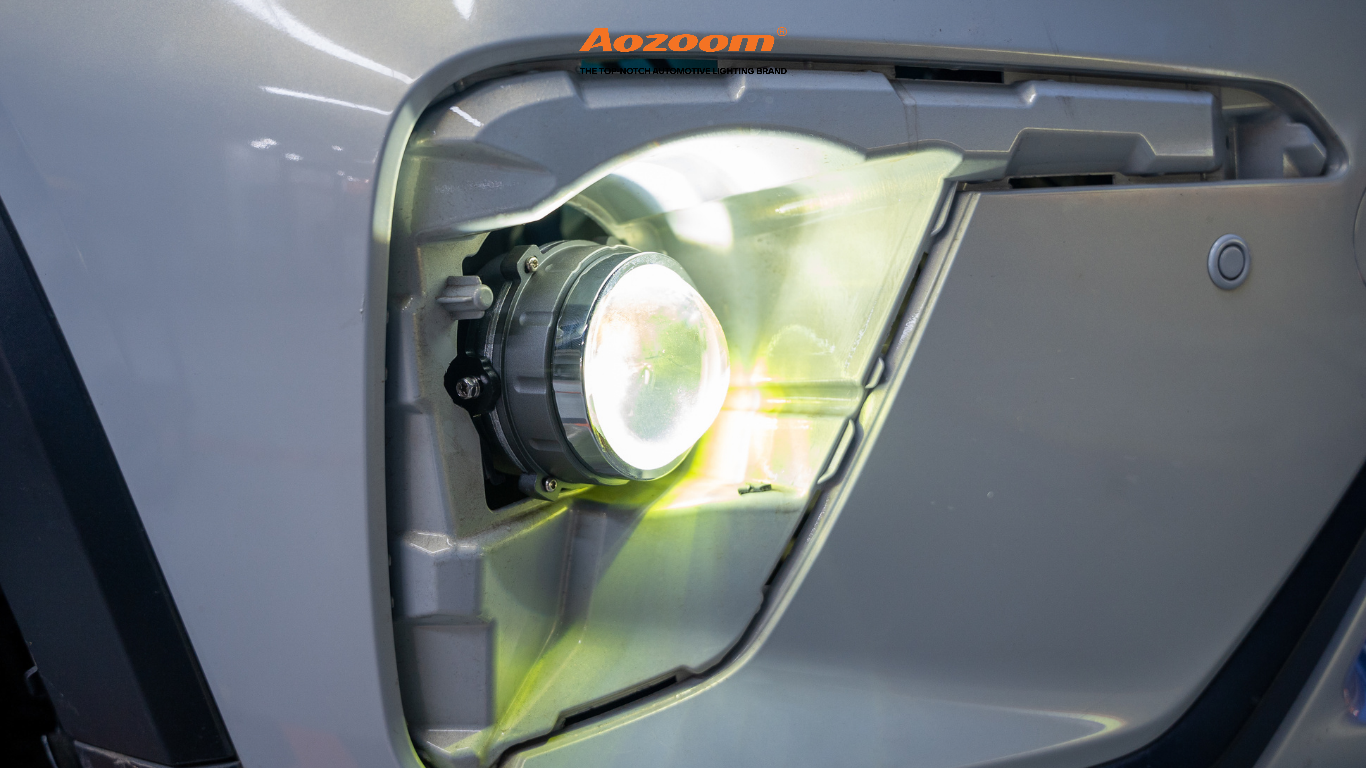
LED headlights are automotive lighting systems that use Light-Emitting Diodes (LEDs) to generate illumination
What Are the Different Types of LED Headlights?
LED headlights are available in several configurations, from replaceable LED bulbs to fully integrated adaptive lighting systems.
These configurations differ in their optical design, construction, functionality, and installation requirements.
It is important to distinguish between the LED light source and the lighting system that controls it. The same LED technology can be used in reflector headlights, projector modules, and electronically controlled systems.
LED Headlight Bulbs
LED headlight bulbs are replaceable light sources designed for compatible automotive lighting assemblies.
Some are intended as replacements for conventional Halogen bulbs, while others are designed for specific lighting applications.
Compared with a complete projector or headlight assembly, an LED replacement bulb generally requires less structural modification when the vehicle and product are compatible.
This makes replacement bulbs attractive to drivers seeking a relatively straightforward lighting solution.
However, compatibility involves more than matching the bulb's connector or physical dimensions.
Headlight housings are designed around specific light-source characteristics, including the position, size, and direction of light emission.
If an LED replacement does not match the optical requirements of the original housing, the resulting beam may be uneven, poorly focused, or excessively bright in unintended areas.
For this reason, LED bulb replacements should be evaluated for optical compatibility, electrical requirements, and local road-use approval.
LED Reflector Headlights
LED reflector headlights use reflective surfaces to collect and direct illumination from LED emitters.
The geometry of the reflector determines how light is distributed toward the road.
In a properly engineered system, the reflector and LED source are designed to work together, producing the intended lighting pattern.
Reflector-based LED headlights can offer efficient illumination without requiring the same optical structure as a conventional projector module.
Their performance depends on the reflector design, the position of the LED emitters, and the overall headlight configuration.
An important distinction is that a factory-designed LED reflector headlight is not the same as a Halogen reflector housing fitted with an aftermarket LED bulb.
The former is engineered around its LED source, while the latter requires careful compatibility assessment.
LED Projector and Bi-LED Headlights
LED projector headlights use LED light sources together with dedicated projector optics to control how illumination reaches the road.
A typical projector system may include a reflector, lens, and other beam-shaping components.
These elements work together to create the intended light distribution.
Compared with a simple light-source replacement, a complete LED projector integrates the source and optical components into a coordinated system.
Bi-LED projector headlights are a specific type of LED projector designed to provide both low-beam and high-beam functions within one module.
Depending on the design, a Bi-LED projector may use a movable shield, additional LED emitters, or separate optical arrangements to change the beam pattern.
The main advantage of this integrated approach is the ability to engineer the light source and optical system together for their intended functions.
However, projector performance still depends on optical quality, thermal design, mounting, and correct alignment.
Not every LED projector provides both low and high beams, and not every projector system is automatically superior to a well-designed reflector headlight.
To understand the technology in greater detail, explore What Are Bi-LED Projector Headlights?.
Adaptive and Matrix LED Headlights
Adaptive LED headlights use electronic control systems to modify illumination according to driving conditions.
Depending on the vehicle, these systems may respond to steering input, vehicle speed, road curvature, or detected traffic.
Some adaptive systems adjust the direction of the beam, while others modify its shape or intensity distribution.
Matrix LED headlights are a more specialized implementation that uses multiple individually controlled LED segments.
By adjusting selected segments, a compatible Matrix LED system can reduce light in areas occupied by detected vehicles while maintaining illumination in other areas.
This technology can help make more effective use of high-beam lighting while controlling glare under suitable conditions.
However, its capabilities depend on the vehicle's sensors, software, electrical architecture, and optical design.
Unlike conventional replacement LED bulbs, adaptive and Matrix LED headlights are typically integrated into the vehicle's original lighting and control systems.
These examples show that LED headlights represent a broad technology category, rather than one particular type of bulb or projector.
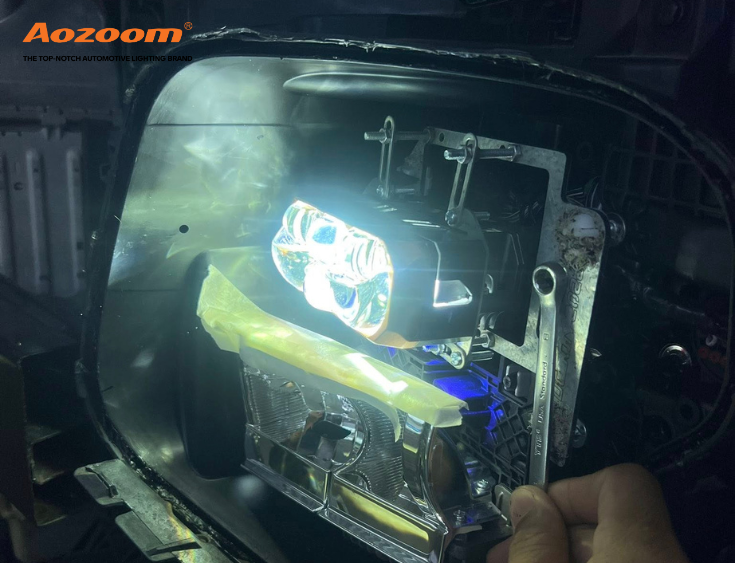
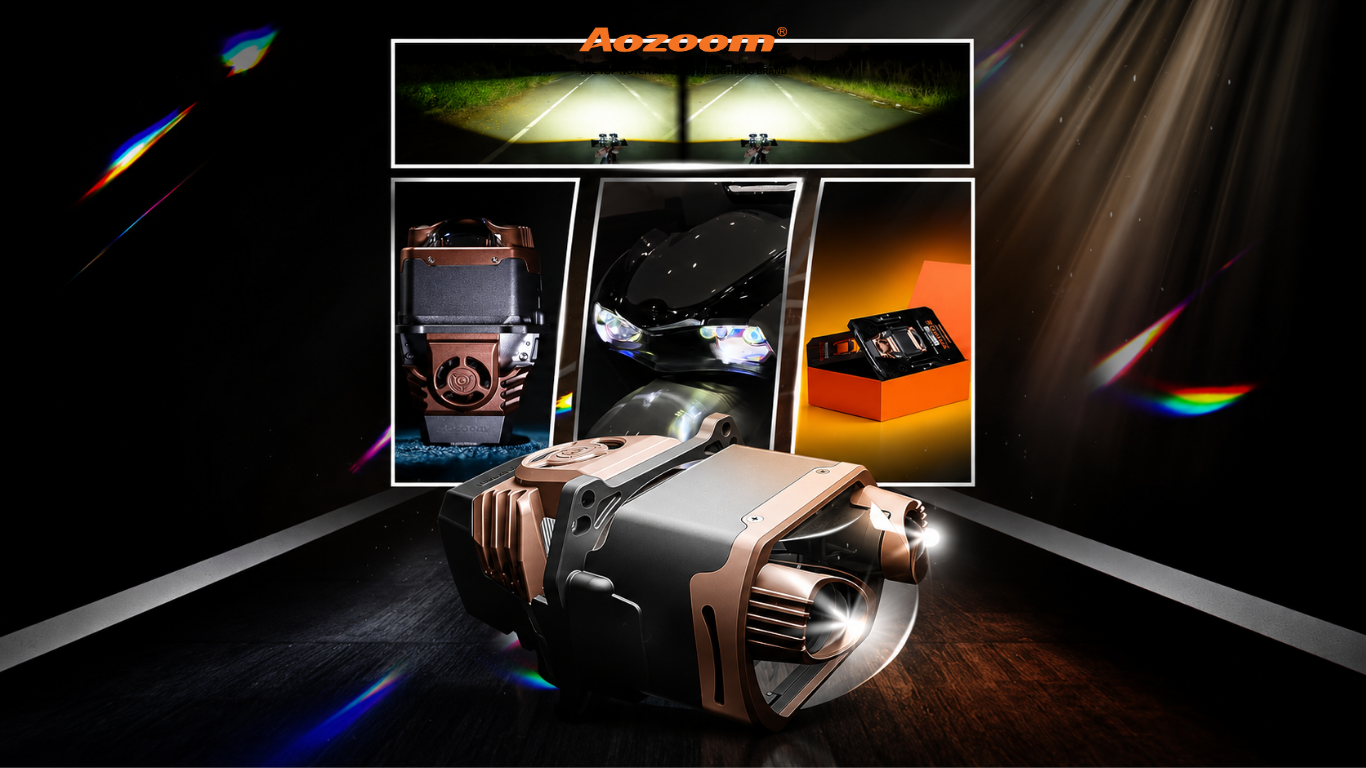
LED headlights come in four main types, each differs in optical design, beam control, and functionality
Advantages and Disadvantages of LED Headlights
LED headlights offer several technical advantages over traditional lighting technologies, but they also involve limitations that drivers should understand.
Their suitability depends on the quality of the complete system, the vehicle's configuration, and the intended driving conditions.
Advantages of LED Headlights
- Energy Efficiency:
LED technology can generate visible light more efficiently than conventional Halogen lighting.
This allows well-designed LED systems to provide useful illumination while consuming comparatively less electrical power.
However, the efficiency of an LED chip and the efficiency of a complete headlight assembly are not identical. Optical losses, drivers, and cooling systems also influence overall energy consumption.
- Near-Instant Illumination:
LEDs reach their operating light output very quickly when powered on.
Unlike HID lamps, which typically require a warm-up period, LED headlights can respond almost immediately to electrical control.
This characteristic is particularly useful in systems involving rapid switching or electronically controlled lighting functions.
- Potentially Long Operating Life:
LED light sources do not contain fragile filaments that deteriorate through repeated heating cycles.
When properly designed and operated within suitable temperature limits, LEDs can offer long service life.
However, the lifespan of a complete headlight system also depends on electronic drivers, cooling components, environmental conditions, and construction quality.
- Design Flexibility:
Compact LED emitters offer considerable flexibility for automotive optical engineering.
They can be arranged within different reflector and projector systems or combined with advanced electronic controls.
This flexibility has contributed to the development of integrated LED projectors, adaptive lighting, and Matrix LED headlights.
Disadvantages of LED Headlights
- Higher Initial Costs:
Compared with conventional Halogen bulbs, complete LED headlight systems can involve higher initial costs.
Advanced optical components, electronic drivers, and thermal management systems increase complexity.
Some integrated LED assemblies can also be expensive to repair or replace when individual components are not separately serviceable.
- Thermal Management Requirements:
Although LEDs are efficient, they still generate heat.
Inadequate cooling can reduce light output, accelerate degradation, or affect electronic components.
The reliability of the lighting system therefore depends on effective heat dissipation.
- Compatibility Challenges:
LED replacement bulbs are not universally compatible with Halogen or HID headlight housings.
Differences in light-source geometry, electronic requirements, or available installation space can create performance problems.
Some vehicles may also require specific electronic interfaces to avoid lighting faults or warning messages.
- Potential Glare and Beam-Control Problems:
An LED headlight can produce excessive glare if its optical system is poorly designed, incorrectly installed, or improperly aligned.
This issue is particularly relevant when using replacement light sources in housings that were not designed for them.
Therefore, the primary consideration should not be whether the headlight uses LED technology, but whether the complete system provides an appropriate beam pattern.
Overall, LED headlights offer meaningful technical advantages, but those advantages are realized most effectively when the system is properly engineered for its intended application.
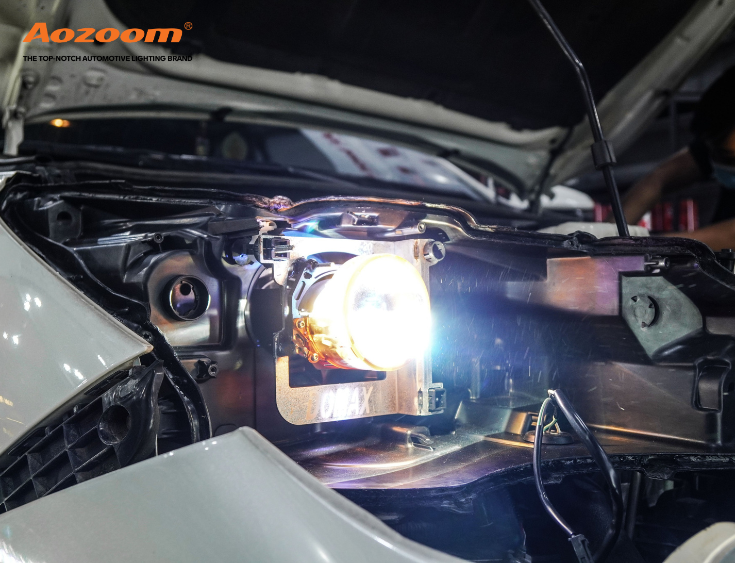
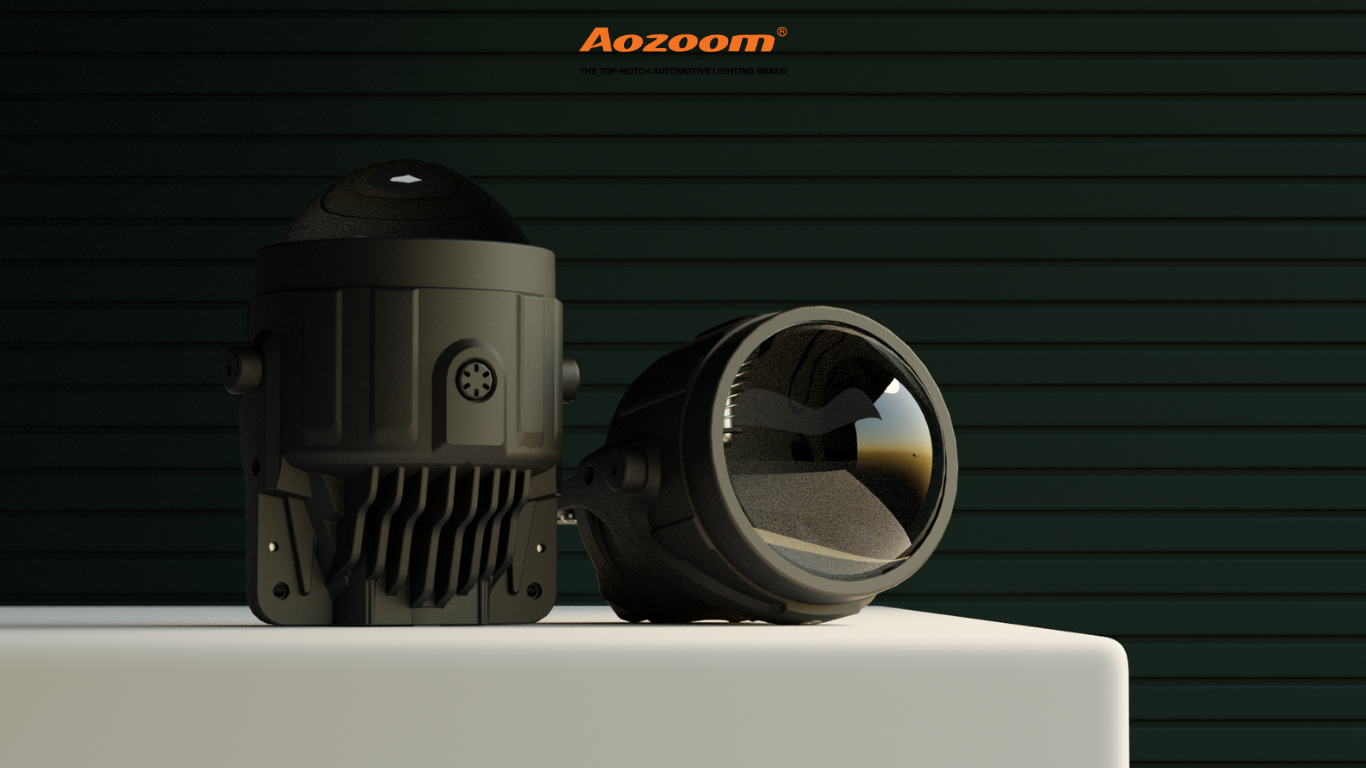
LED headlights offer high energy efficiency, instant illumination, potentially longer lifespan, and flexible optical designs
LED vs Halogen vs HID Headlights
LED, Halogen, and High-Intensity Discharge (HID) headlights use different methods to produce light.
Halogen bulbs rely on heated tungsten filaments, HID lamps generate light through electrical discharge, and LEDs use semiconductor electroluminescence.
These differences influence their operating characteristics, efficiency, maintenance requirements, and design possibilities.
The following table provides a general comparison.
These characteristics are general. Actual road illumination and reliability depend on the complete lighting system.
Compared with Halogen lighting, LEDs offer advantages in electrical efficiency and design flexibility.
Compared with HID systems, LEDs provide faster illumination response and can be integrated into a wider range of electronically controlled lighting arrangements.
However, this does not mean that every LED headlight produces better road visibility than every Halogen or HID system.
A properly designed and aligned headlight can perform well regardless of the light-source technology, while a poorly engineered LED system may provide insufficient illumination or excessive glare.
For a broader overview of all major automotive headlight technologies, including laser-assisted systems, read Car Headlights: A Complete Guide to Types & Technologies.
What Determines LED Headlight Performance?
LED headlight performance depends on how effectively light is generated, shaped, delivered to the road, and maintained during operation.
Specifications such as wattage, lumens, and color temperature provide useful information, but they do not independently determine lighting quality.
A complete assessment should consider the actual beam pattern, usable illumination, glare control, and thermal reliability.
Brightness, Lumens and Real-World Visibility
Brightness is frequently emphasized in LED headlight advertising, but several different measurements are often confused.
Watts (W) indicate electrical power consumption.
A higher-wattage LED headlight consumes more electrical power, but this does not necessarily mean it provides better road illumination.
Lumens (lm) measure luminous flux, representing the amount of visible light emitted by a source or system.
Higher lumen output may indicate greater available light, but it does not show where that light is directed.
Lux (lx) measure illuminance, or the amount of light reaching a particular surface.
For automotive headlights, illuminance distribution is especially relevant because the driver's visibility depends on how much useful light reaches different areas of the road.
A high-lumen LED source may still perform poorly if the optical system spreads light into unnecessary areas.
Conversely, a well-engineered system can use available light efficiently by directing it toward important road regions.
The Insurance Institute for Highway Safety (IIHS) evaluates headlight systems using illumination measurements on straight roads and curves while also assessing glare toward oncoming drivers.
This illustrates why useful illumination and beam control are more meaningful than relying on a single advertised brightness figure.
Beam Pattern, Cutoff Line and Glare Control
The beam pattern describes how illumination is distributed in front of the vehicle.
A well-designed LED headlight should provide appropriate coverage at useful distances without producing excessive glare or poorly illuminated regions.
Several characteristics influence beam quality.
Beam Width
Beam width determines how broadly the headlight illuminates the road and surrounding areas.
Sufficient lateral coverage can help drivers recognize lane boundaries, roadside objects, and potential hazards.
However, an excessively wide distribution may be inefficient if it reduces necessary forward illumination.
Hotspot and Light Distribution
The hotspot is an area of relatively concentrated light intensity within the beam.
Its position and shape influence how effectively the headlight illuminates particular distances.
A strong hotspot is not automatically an advantage if the surrounding illumination is uneven or insufficient.
Balanced distribution is important for maintaining a useful field of view.
Cutoff Line
In low-beam designs that produce a defined cutoff, the cutoff line separates the main illuminated region from the darker area above it.
This helps control excessive upward illumination.
However, the sharpness of the cutoff alone does not establish overall beam quality. Intensity distribution and proper aiming remain important.
Glare Control
Glare occurs when excessive light reaches another road user's eyes, potentially reducing visual comfort or visibility.
Poorly aligned headlights and incompatible light-source replacements can increase this problem.
An LED system should therefore be judged by its beam distribution and correct installation, rather than by how bright it appears when viewed directly from the front.
Color Temperature and Driving Conditions
LED headlights are available in different color temperatures, typically expressed in Kelvin (K).
Color temperature describes the appearance of white light rather than its total brightness.
Common automotive lighting color temperatures include:
The most suitable color temperature depends on the complete lighting system and the driver's preferences and operating conditions.
For example, a higher Kelvin rating does not automatically mean the light is brighter or improves visibility.
Similarly, warm yellow lighting does not guarantee superior performance in rain or fog.
Visibility in challenging weather is affected by multiple factors, including beam distribution, atmospheric scattering, road reflections, and the amount of illumination reaching relevant surfaces.
For drivers in the Philippines and Malaysia, where heavy rainfall and wet road conditions can create difficult nighttime visibility, beam control and headlight alignment are particularly important.
The color temperature should therefore be considered alongside the actual optical performance of the system, not as an independent measure of lighting quality.
Thermal Management and Lifespan
Thermal management plays an essential role in the performance and reliability of LED headlights.
Although LED technology is efficient, part of the electrical energy supplied to the light source becomes heat.
If this heat is not dissipated effectively, elevated temperatures can reduce light output and accelerate component degradation.
Different LED headlight designs use different cooling approaches.
Passive systems commonly rely on heat sinks and thermal conductors to transfer heat away from sensitive components.
Active systems may incorporate cooling fans to improve heat dissipation in compact or higher-power applications.
Some advanced headlights also monitor temperature electronically and adjust operation to protect the LEDs.
The suitability of each approach depends on factors such as component power, installation space, airflow, and the surrounding environment.
The lifespan of an LED headlight cannot be determined by the LED chip alone.
Electronic drivers, thermal interfaces, cooling fans where used, housing quality, and environmental exposure all contribute to long-term reliability.
As explained in HELLA's technical guide to LED headlights, effective thermal management is a fundamental requirement for maintaining LED lighting performance.
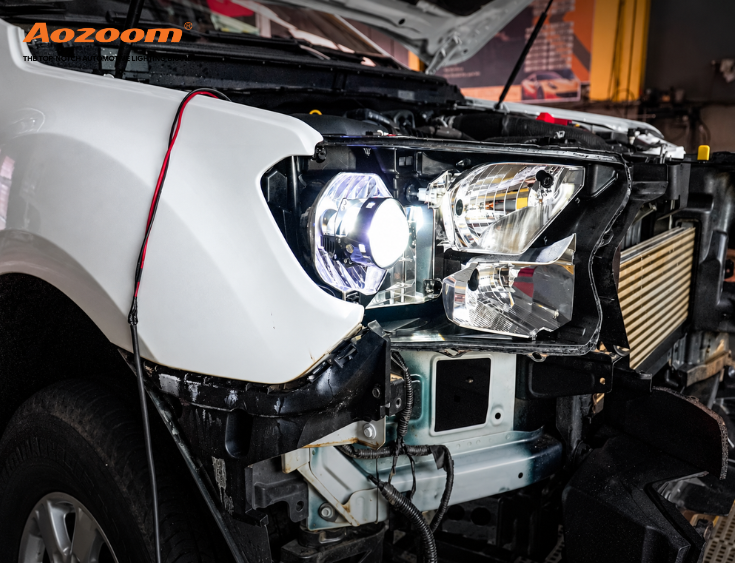
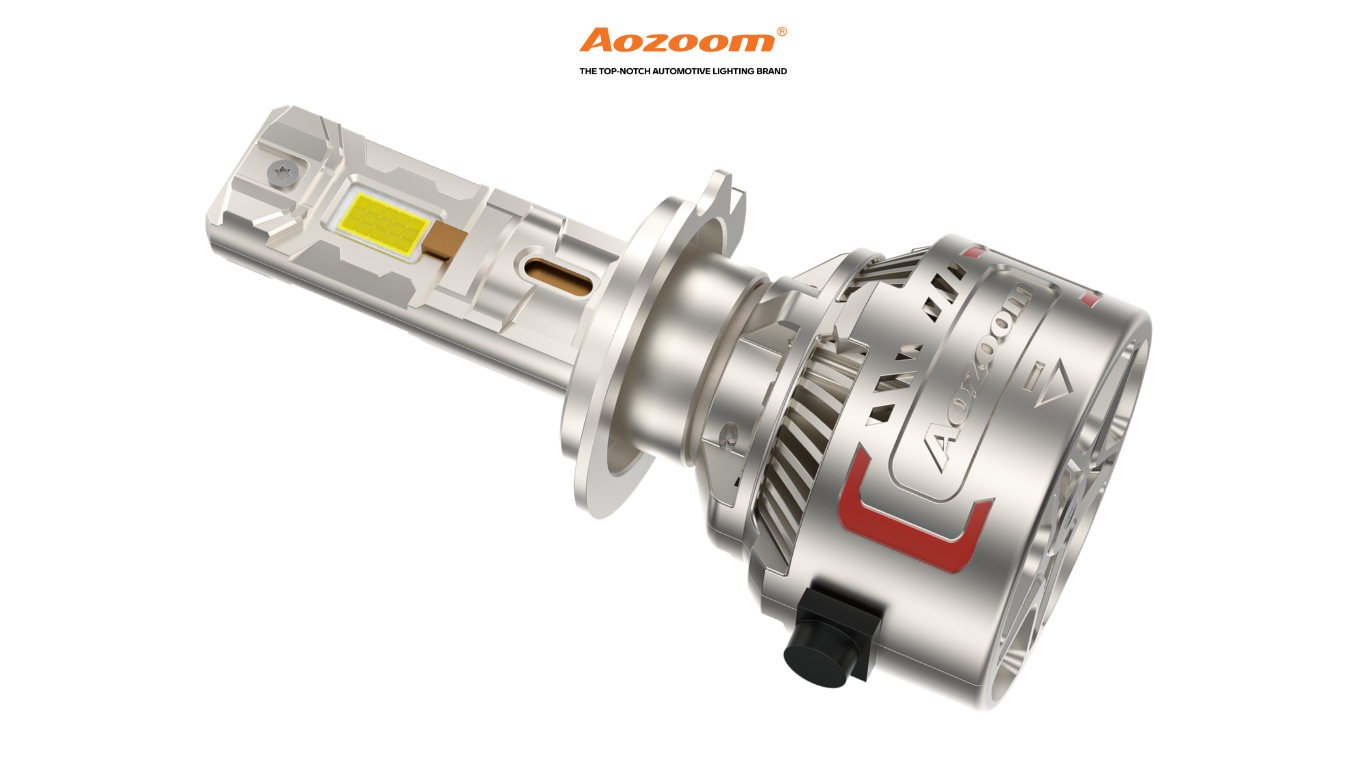
LED headlight performance depends on brightness, beam pattern, glare control, color temperature and thermal management
How to Choose the Right LED Headlights for Your Car?
Choosing suitable LED headlights requires more than comparing wattage, brightness claims, or color temperature.
Drivers should first consider their existing headlight system, typical driving conditions, and whether a proposed lighting solution can provide an appropriate beam pattern.
Consider Your Driving Conditions
Different driving environments create different lighting requirements.
Daily City Driving
For city driving, controlled low-beam illumination is particularly important because drivers frequently encounter other vehicles, pedestrians, and intersections.
A consistent beam pattern, adequate road coverage, and effective glare control should be priorities.
The original headlights may already be sufficient if they are properly maintained and aligned.
Highway and Long-Distance Driving
Nighttime highway driving often requires greater forward visibility, particularly on poorly lit routes.
Drivers should consider both low-beam coverage and high-beam performance.
A well-designed LED system can provide useful illumination, but beam distance must be balanced with appropriate distribution and responsible high-beam use.
Rainy and Low-Visibility Conditions
Rain, mist, and wet road surfaces can create distracting reflections and reduce contrast.
In these conditions, more light does not always result in better visibility.
Controlled beam distribution, accurate aiming, and adequate road illumination are especially important.
Drivers should also adjust their speed and following distance according to visibility rather than relying solely on lighting upgrades.
Check Vehicle and Headlight Compatibility
Before choosing LED headlights, drivers should identify the vehicle's existing headlight configuration.
Important factors include the original light-source technology, headlight housing design, electrical system, and available installation space.
For replaceable bulbs, the correct bulb size and connector type are necessary, but they do not establish optical compatibility by themselves.
A replacement LED must also produce an appropriate light distribution when used with the original housing.
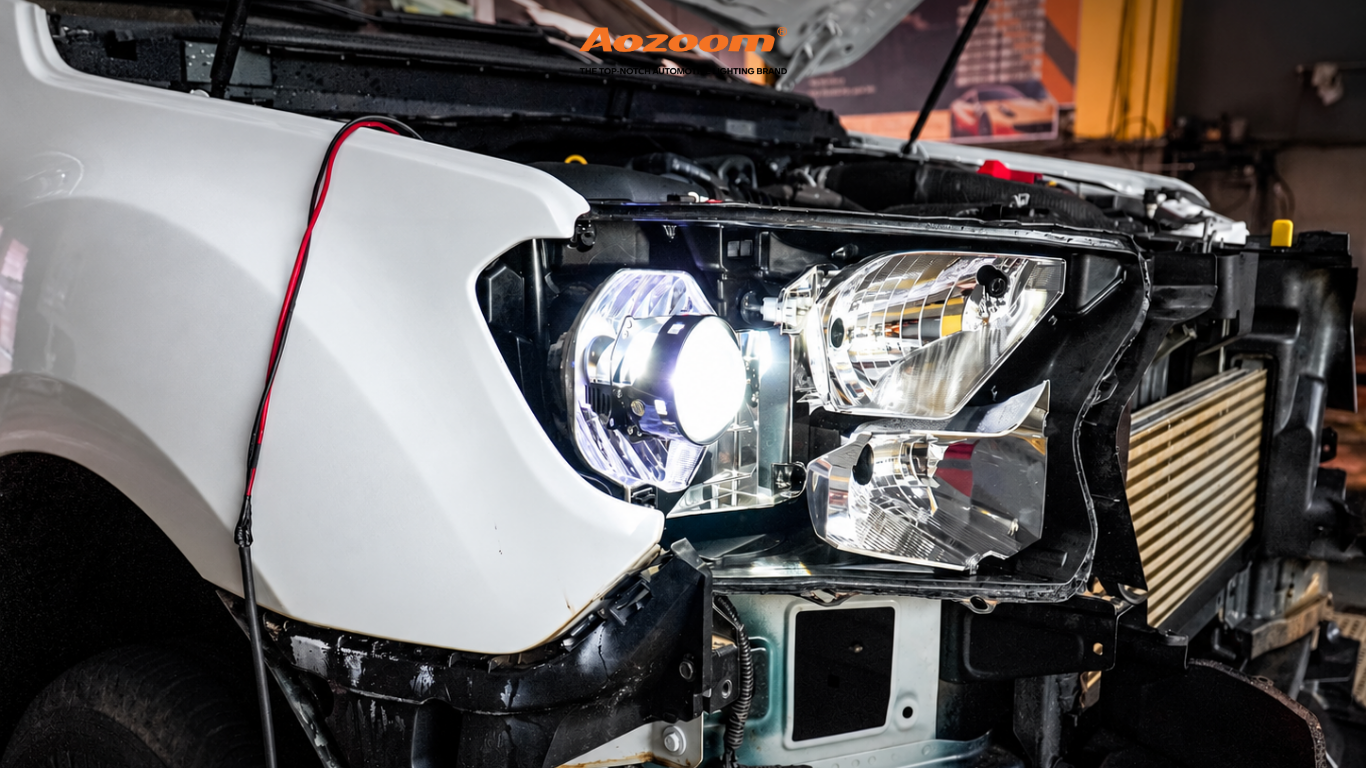
For integrated projector or headlight assembly upgrades, installation requirements may include mounting compatibility, electrical integration, space for cooling components, and correct headlight alignment.
Vehicles equipped with electronic lamp monitoring may also require specific compatible control components.
These considerations help explain why a lighting product suitable for one vehicle may not perform correctly in another, even when the basic bulb type appears identical.
Evaluate Lighting Performance and Product Quality
A suitable LED headlight should provide effective illumination while operating reliably under normal driving conditions.
When evaluating a product or complete lighting system, several characteristics deserve attention.
Optical Performance
Look for evidence of the beam pattern, including road coverage, light distribution, and glare control.
Images or measurements taken under consistent conditions are more useful than photographs showing only how bright the headlights appear from the front.
Thermal Design
Consider how the system manages heat during sustained operation.
A suitable cooling system should support stable performance without creating unnecessary reliability concerns.
Electrical Compatibility
Check the operating requirements and compatibility with the vehicle's original electrical architecture.
Construction and Reliability
Review relevant product documentation, environmental protection specifications, installation requirements, and warranty conditions.
Verified Performance Information
Where possible, prioritize documented measurements and clearly explained testing conditions over unsupported claims about brightness, lifespan, or performance superiority.
Understanding these factors helps drivers evaluate LED lighting systems more effectively and choose solutions based on practical requirements rather than marketing specifications alone.
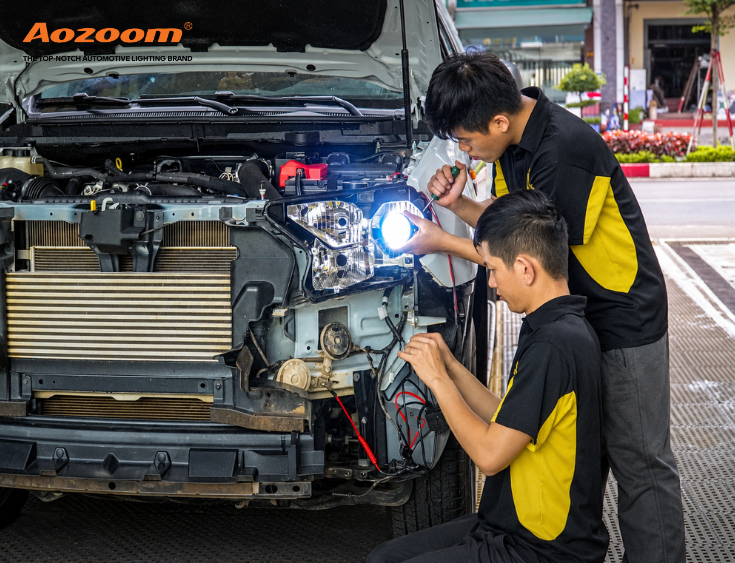
Choose LED headlights based on your driving conditions, vehicle compatibility, and lighting performance
Conclusion
LED headlights have transformed automotive lighting through efficient light generation, flexible optical design, and compatibility with increasingly sophisticated electronic control systems.
From replaceable LED bulbs and reflector headlights to Bi-LED projectors and Matrix LED technology, different systems use the same fundamental light-source technology in different ways.
However, the quality of an LED headlight depends on more than its brightness or power consumption.
Optical design, beam distribution, glare control, color temperature, thermal management, and vehicle compatibility all influence real-world performance. Understanding these factors helps drivers recognize the strengths and limitations of LED technology, compare different lighting solutions, and make informed decisions about maintenance or upgrades.